EcoBegin Article
What Is Climate Change? A Beginner's Guide (2026)
Introduction
Climate change has become one of the most discussed issues of the 21st century. We hear about rising temperatures, melting glaciers, extreme heatwaves, floods, droughts, and disappearing wildlife. Yet many people still wonder what climate change actually means and why scientists are so concerned about it.
At its core, climate change refers to long-term shifts in the Earth's climate patterns. While the Earth's climate has naturally changed throughout its history, the warming observed over the last century is happening at a much faster rate and is largely driven by human activities.
Today, the scientific evidence is overwhelming. Scientists around the world have concluded that the burning of fossil fuels, deforestation, industrial processes, and modern agricultural practices are increasing the concentration of greenhouse gases in the atmosphere. These gases trap heat and are causing the planet to warm. The effects are already visible in rising sea levels, more frequent extreme weather events, changes in ecosystems, and increasing risks to human health.
Understanding climate change is not just about understanding science. It is also about understanding how our societies, economies, and daily choices affect the natural systems on which all life depends.
What Is Climate Change?
Climate is different from weather.
Weather describes short-term conditions such as today's temperature, rainfall, or wind. Climate refers to the average pattern of weather in a region over many decades.
For example, a single cold day does not mean climate change has stopped. In the same way, a single hot day does not prove climate change exists. Scientists study long-term trends across the entire planet to understand changes in climate.
Climate change occurs when these long-term patterns shift significantly. Throughout Earth's history, climate has changed due to natural factors such as volcanic activity, changes in the Earth's orbit, and variations in solar energy. However, the current warming trend is different because it is occurring much more rapidly and is closely linked to human activities.
Since the Industrial Revolution, humans have burned enormous amounts of coal, oil, and natural gas to power industries, transportation, and modern lifestyles. This has released large quantities of carbon dioxide and other greenhouse gases into the atmosphere. As these gases accumulate, they trap more heat, causing the Earth's average temperature to rise.
According to major scientific organizations such as the Intergovernmental Panel on Climate Change (IPCC), human influence on global warming is now considered unequivocal. The evidence comes from temperature records, satellite observations, ocean measurements, ice-core data, and many other independent sources.
The Greenhouse Effect Explained
The Earth receives energy from the Sun in the form of sunlight. Some of this energy is absorbed by land, oceans, and vegetation, while some is reflected back into space.
As the Earth's surface warms, it releases heat in the form of infrared radiation. Certain gases in the atmosphere absorb part of this heat and prevent it from escaping directly into space. These gases are known as greenhouse gases.
The most important greenhouse gases include carbon dioxide (CO₂), methane (CH₄), nitrous oxide (N₂O), and water vapor. Together, they act like a protective blanket around the planet.
Without the natural greenhouse effect, the Earth's average temperature would be far below freezing and life as we know it would not exist. The problem is not the greenhouse effect itself. The problem is that human activities are strengthening it.
Over the last two centuries, humans have released enormous amounts of carbon dioxide and other greenhouse gases into the atmosphere. As their concentration increases, more heat becomes trapped, causing the planet to warm.
Scientists sometimes describe this as an "enhanced greenhouse effect." It is one of the most important mechanisms behind modern climate change.
What Causes Climate Change?
Several human activities contribute to climate change, but most of them can be traced back to one common factor: the large-scale release of greenhouse gases.
1. Burning Fossil Fuels
Coal, oil, and natural gas remain the primary sources of energy for much of the world. They power vehicles, industries, power plants, and many everyday activities.
When these fuels are burned, carbon dioxide is released into the atmosphere. Because carbon dioxide can remain in the atmosphere for a very long time, its effects accumulate over decades and centuries.
2. Deforestation
Forests absorb carbon dioxide from the atmosphere and help regulate the Earth's climate.
When forests are cut down or burned, two things happen. First, stored carbon is released into the atmosphere. Second, fewer trees remain to absorb future emissions.
3. Agriculture
Modern agriculture contributes significantly to greenhouse gas emissions.
Livestock such as cattle produce methane, a powerful greenhouse gas. The use of synthetic fertilizers also releases nitrous oxide, another gas with a strong warming effect.
4. Industrial Activities
Industries produce emissions through manufacturing processes, energy consumption, and the production of materials such as cement, steel, and chemicals.
Together, these activities add billions of tonnes of greenhouse gases to the atmosphere each year.
Evidence That Climate Change Is Real
Climate change is not based on a single study or one source of evidence. It is supported by observations collected over many decades from satellites, weather stations, ocean measurements, glaciers, ice cores, and countless scientific studies.
One of the clearest indicators is the rise in global average temperature. The Earth has warmed significantly since the late nineteenth century, with most of the warming occurring during the last few decades.
The oceans have also absorbed vast amounts of excess heat. Rising ocean temperatures contribute to stronger storms, coral bleaching, and changes in marine ecosystems.
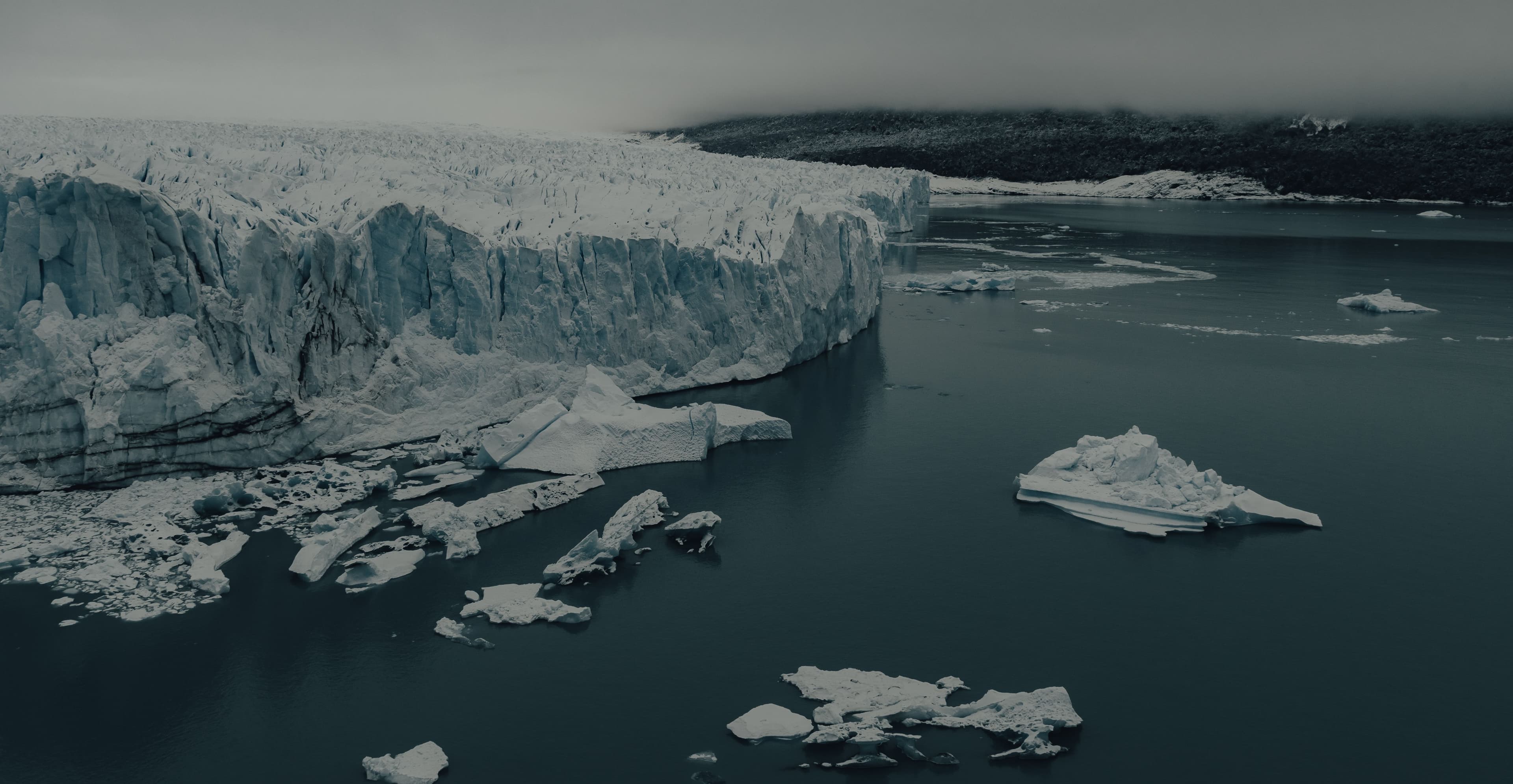
Glaciers and ice sheets around the world are shrinking, while sea levels continue to rise. These changes are being observed across multiple continents and oceans.
Scientists from different countries and institutions may disagree on many details, but there is overwhelming agreement that the planet is warming and that human activities are the primary driver of recent climate change.
How Climate Change Affects People
Climate change affects more than temperatures. Its impacts can be seen in health, food systems, water resources, economies, and ecosystems.
Heat waves are becoming more frequent and intense in many regions. Extreme heat can increase health risks, especially for children, older adults, and vulnerable communities.
Changes in rainfall patterns can contribute to floods in some areas and droughts in others. These events can damage crops, reduce water availability, and disrupt livelihoods.
Many ecosystems are also under pressure. Species that cannot adapt quickly enough may face population declines or even extinction. Biodiversity loss weakens the resilience of ecosystems that support human life.
Climate change therefore affects not only the environment but also the social and economic systems on which communities depend.
Common Myths About Climate Change
Myth 1: Climate Has Always Changed
It is true that the Earth's climate has changed throughout history. However, the current warming trend is occurring much faster than many natural climate changes observed in the geological record.
Myth 2: Human Activities Are Not Responsible
Scientists have examined natural explanations such as volcanic activity and changes in solar energy. The evidence consistently shows that recent warming is primarily linked to greenhouse gas emissions from human activities.
Myth 3: A Few Degrees Of Warming Is Not Important
Small changes in average global temperature can have large consequences. Even modest warming increases the likelihood of extreme weather events, ecosystem disruptions, and sea-level rise.
Climate Change Is Not Only an Environmental Problem
When discussing climate change, most conversations focus on technology. We discuss renewable energy, electric vehicles, carbon capture, and more efficient industries.
These solutions are important, but they also raise a deeper question.
If humanity understands the environmental consequences of excessive consumption, why does consumption continue to rise?
Modern societies often encourage people to seek fulfillment through continuous acquisition. More products, larger homes, faster lifestyles, and higher levels of consumption are frequently presented as indicators of success.
The climate crisis invites us to examine not only our technologies but also our habits, priorities, and assumptions about what it means to live well.
A sustainable future will require better policies and cleaner technologies. It may also require a more thoughtful relationship with consumption, resources, and the natural world.
Many discussions about climate change focus on technology. We talk about solar panels, electric vehicles, renewable energy, and carbon capture. These solutions are important, but they do not fully answer a deeper question.
Why does humanity continue to consume more resources even when it understands the consequences?
For decades, scientists have warned about environmental destruction. Yet global consumption continues to rise. Forests are cleared, oceans are polluted, animals are exploited, and natural resources are extracted at an unprecedented scale.
This suggests that climate change is not only a technological or political challenge. It is also a human challenge.
Modern societies often encourage people to seek happiness through constant consumption. New products, larger homes, faster lifestyles, and endless economic growth are presented as signs of progress. However, when billions of people pursue ever-increasing consumption on a finite planet, ecological pressures inevitably grow.
The environmental crisis therefore invites us to examine not only our technologies but also our assumptions about success, happiness, and fulfillment.
A more sustainable future may require cleaner energy and better policies, but it may also require a deeper understanding of why we consume the way we do.
Conclusion
Climate change is one of the defining challenges of our time. Scientific evidence shows that the planet is warming and that human activities are playing a major role in this process.
Understanding climate change is the first step toward addressing it. Whether through informed choices, responsible policies, technological innovation, or a deeper examination of our relationship with consumption, every meaningful response begins with awareness.
The challenge is significant, but so is humanity's capacity to learn, adapt, and act.