EcoBegin Article
Fast Fashion and the Environment
Introduction
Clothing is one of the most basic human needs. Every society depends on textiles for protection, comfort, and self-expression.
However, the way clothing is produced and consumed has changed dramatically over the last few decades.
Today, many garments are designed to be inexpensive, quickly produced, and rapidly replaced by newer trends. This system is commonly known as fast fashion.
Fast fashion has made clothing more affordable and accessible than ever before. At the same time, it has created significant environmental and social challenges. The industry consumes enormous amounts of water, generates pollution, contributes to greenhouse gas emissions, and produces vast quantities of waste.
Understanding the environmental impacts of fast fashion is important because clothing choices connect billions of people to global supply chains, natural resources, and ecosystems.
What Is Fast Fashion?
Fast fashion is a business model based on producing large volumes of low-cost clothing as quickly as possible.
Rather than focusing on durability or long-term use, fast fashion companies prioritize speed, affordability, and rapidly changing trends.
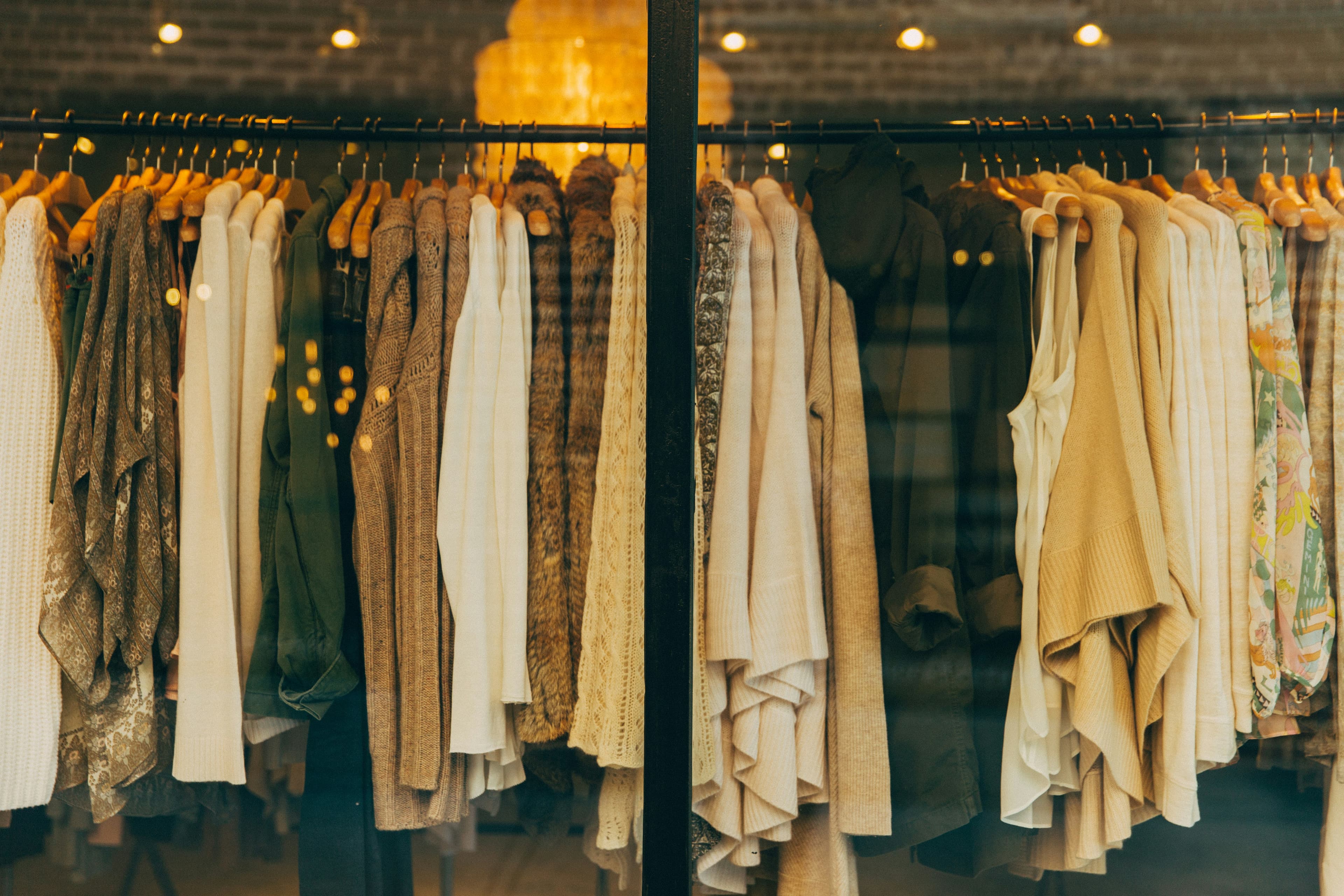
New designs are constantly introduced to encourage consumers to purchase more frequently. As a result, clothing increasingly resembles a disposable product rather than a durable good.
The model depends on global supply chains, inexpensive materials, and highly efficient manufacturing systems that can move products from design to retail shelves within a very short period of time.
While fast fashion has made trendy clothing widely available, it has also increased pressure on natural resources and waste management systems.
The Rise Of Fast Fashion
Historically, fashion operated around a small number of seasonal collections each year.
Clothing was often purchased less frequently and used for longer periods of time. Many garments were repaired, reused, or passed between family members.
The rise of global manufacturing, lower production costs, and international supply chains transformed the industry.
Companies became capable of producing large quantities of clothing at unprecedented speed. As online shopping and social media expanded, the pace accelerated even further.
Today, consumers are exposed to new fashion trends almost continuously. This environment encourages frequent purchases and short product lifespans, increasing overall clothing consumption.
Global clothing production has grown dramatically during the last two decades, reflecting the increasing influence of the fast fashion model.
Clothing Production And Consumption
The modern fashion industry produces more clothing than at any other point in human history.
Billions of garments are manufactured every year to meet global demand. At the same time, clothing is often worn for shorter periods before being discarded.
Many consumers now purchase significantly more clothing than previous generations while keeping items for less time.
This shift has environmental consequences.
Every garment requires raw materials, energy, transportation, labor, water, and manufacturing processes. As production increases, the demand for these resources increases as well.
The environmental impact of fashion therefore depends not only on how clothing is produced but also on how frequently it is consumed and discarded.
Water Usage
The fashion industry is one of the largest industrial users of freshwater.
Water is required throughout the production process, including growing natural fibers, processing materials, dyeing fabrics, and manufacturing finished garments.
Cotton production is particularly water intensive. Growing cotton often requires extensive irrigation, especially in regions where rainfall is limited.
Producing a single cotton t-shirt can require thousands of liters of water. A pair of jeans may require even more.
In areas already facing water scarcity, large-scale textile production can place additional pressure on local water resources and communities.
For this reason, water consumption has become one of the most important environmental concerns associated with the fashion industry.
Textile Pollution
The environmental impacts of fashion extend beyond water consumption.
Transforming raw materials into finished textiles often involves dyes, chemical treatments, and industrial processing methods.
These processes can generate significant amounts of wastewater. In regions where environmental regulations are weak or poorly enforced, untreated wastewater may enter rivers and waterways.
This pollution can affect aquatic ecosystems, reduce water quality, and create health risks for nearby communities.
Because clothing production occurs on a massive scale, even small environmental impacts at the individual factory level can become significant when multiplied across the global industry.
Scientists therefore view textile pollution as one of the major environmental challenges associated with modern fashion.
Synthetic Fabrics And Microplastics
Many modern garments are made from synthetic materials such as polyester, nylon, and acrylic.
Unlike natural fibers, these materials are derived primarily from fossil fuels. They are durable, inexpensive, and widely used throughout the fashion industry.
However, synthetic fabrics create an environmental challenge that often goes unnoticed.
Each time synthetic clothing is washed, tiny plastic particles known as microfibers can be released into wastewater systems. Many of these particles pass through treatment facilities and eventually enter rivers, lakes, and oceans.
Scientists have identified synthetic textiles as a significant source of microplastic pollution worldwide.
Microplastics have now been detected in marine ecosystems, drinking water, soil, wildlife, and even the human body. Because synthetic fibers are so widely used, the fashion industry plays an important role in discussions about plastic pollution.
Carbon Emissions
The fashion industry is also a major contributor to greenhouse gas emissions.
Emissions occur throughout the production process, including raw material extraction, textile manufacturing, transportation, retail operations, and waste disposal.
Synthetic fibers require fossil fuels for production, while global supply chains often involve transporting materials and finished products across multiple countries before reaching consumers.
As clothing production continues to increase, the industry's carbon footprint continues to grow as well.
Scientists estimate that fashion is responsible for a substantial share of global greenhouse gas emissions, making it an important contributor to climate change.
For this reason, reducing the environmental impact of fashion is increasingly viewed as part of broader climate mitigation efforts.
Waste And Landfills
One of the defining characteristics of fast fashion is its short product lifespan.
Many garments are purchased, worn only a few times, and then discarded.
As a result, enormous quantities of textile waste are generated every year.
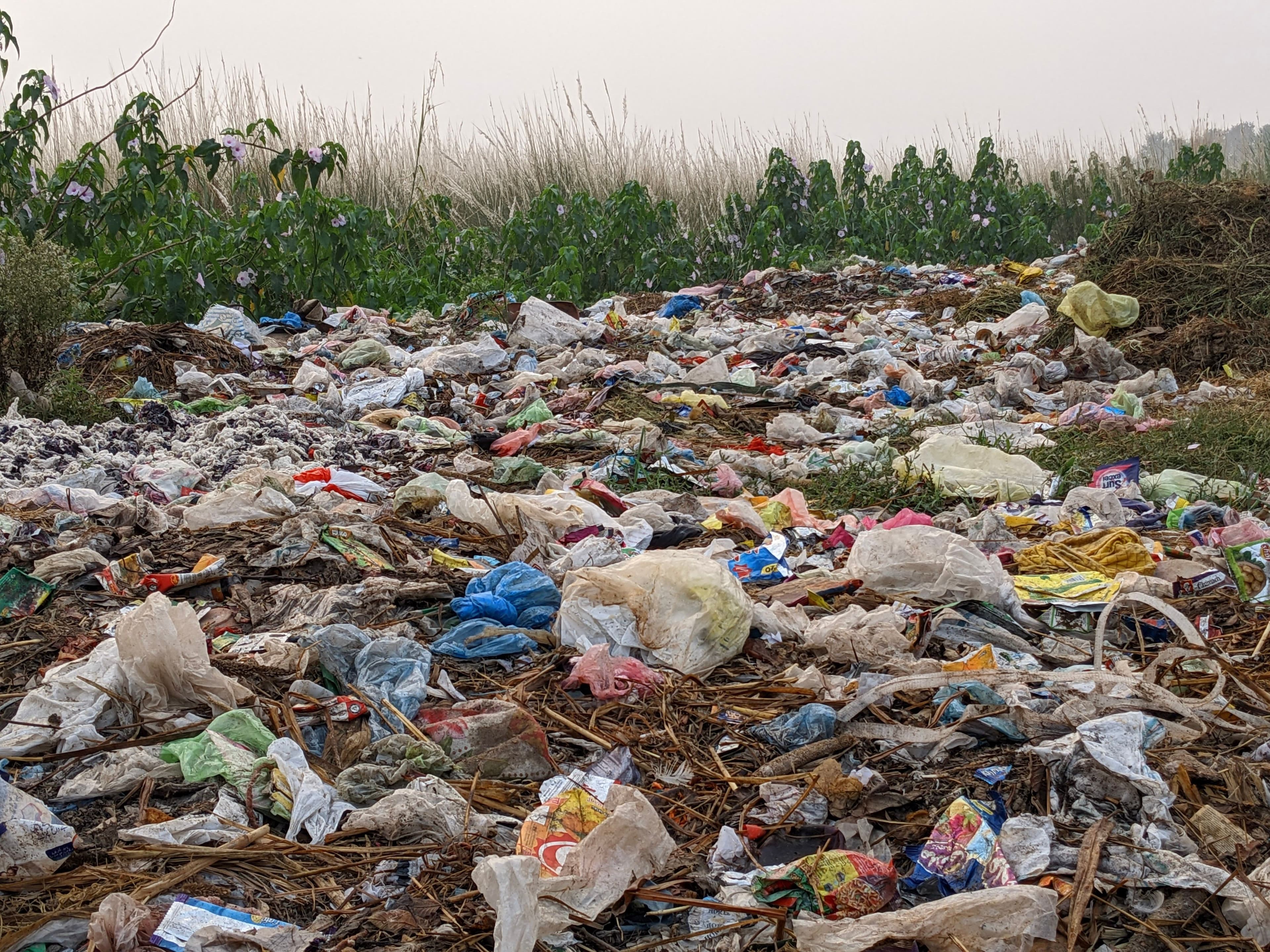
Some clothing is donated, reused, or recycled. However, a large proportion eventually ends up in landfills or incineration facilities.
Synthetic fabrics present additional challenges because they do not biodegrade easily. Instead, they may persist in the environment for many years while gradually breaking down into smaller plastic particles.
The fashion industry's waste problem illustrates a broader issue associated with disposable consumption patterns. Products designed for short-term use often create long-term environmental consequences.
Labor And Social Impacts
The environmental impacts of fast fashion are closely connected to social and economic issues.
The industry employs millions of workers around the world, many of whom are located in developing countries where manufacturing costs are lower.
Fast production schedules and intense competition for lower prices can place pressure on factories to reduce costs wherever possible.
This may result in poor working conditions, excessive overtime, inadequate safety standards, and wages that are insufficient to support a decent standard of living.
Women make up the majority of the global garment workforce and are often among the most affected by these challenges.
While environmental concerns receive significant attention, many researchers emphasize that sustainability also includes human well-being, labor rights, and social justice.
Consumer Culture And Overconsumption
Fast fashion is not simply a manufacturing system. It is also a reflection of modern consumer culture.
Many companies encourage frequent purchases by constantly introducing new products, limited-time promotions, and rapidly changing trends.
Social media can amplify these pressures by creating expectations around novelty and appearance. Clothing is increasingly presented not as something to be used and maintained, but as something to be continuously replaced.
This raises an important question.
If environmental problems are linked to overproduction, what drives overconsumption?
Many people purchase products not because they are necessary but because consumption has become closely connected to identity, status, entertainment, and self-expression.
The environmental challenges associated with fast fashion therefore extend beyond factories and supply chains. They also involve the values and assumptions that shape consumer behavior.
A more sustainable future may depend not only on producing clothing differently but also on developing a healthier relationship with consumption itself.
Conclusion
Fast fashion has transformed the clothing industry by making trendy garments widely available at low prices.
While this model has increased accessibility and convenience, it has also created significant environmental and social costs.
The industry consumes vast amounts of water, contributes to pollution, generates greenhouse gas emissions, produces enormous quantities of waste, and places pressure on workers throughout global supply chains.
These impacts are interconnected and reflect broader patterns of production and consumption in modern societies.
Addressing the environmental challenges associated with fast fashion will require improvements in manufacturing practices, material choices, waste management systems, labor conditions, and consumer awareness.
Ultimately, the conversation about fast fashion is not only about clothing. It is also about how societies define value, convenience, and progress in a world with finite natural resources.