EcoBegin Article
Plastic Pollution Explained
Introduction
Plastic has become one of the most widely used materials in modern society. It is found in packaging, clothing, electronics, vehicles, medical equipment, household products, and countless other items used every day.
Its popularity comes from its convenience. Plastic is lightweight, durable, inexpensive, and easy to manufacture on a large scale.
However, the same qualities that made plastic revolutionary have also created one of the most significant environmental challenges of the modern era.
Because most plastics do not naturally decompose within a human lifetime, discarded plastic accumulates in landfills, rivers, oceans, and ecosystems around the world. Scientists have now found plastic pollution in some of the most remote places on Earth, from mountain peaks to deep ocean trenches.
Understanding plastic pollution is important because it affects wildlife, ecosystems, human communities, and potentially human health itself.
What Is Plastic Pollution?
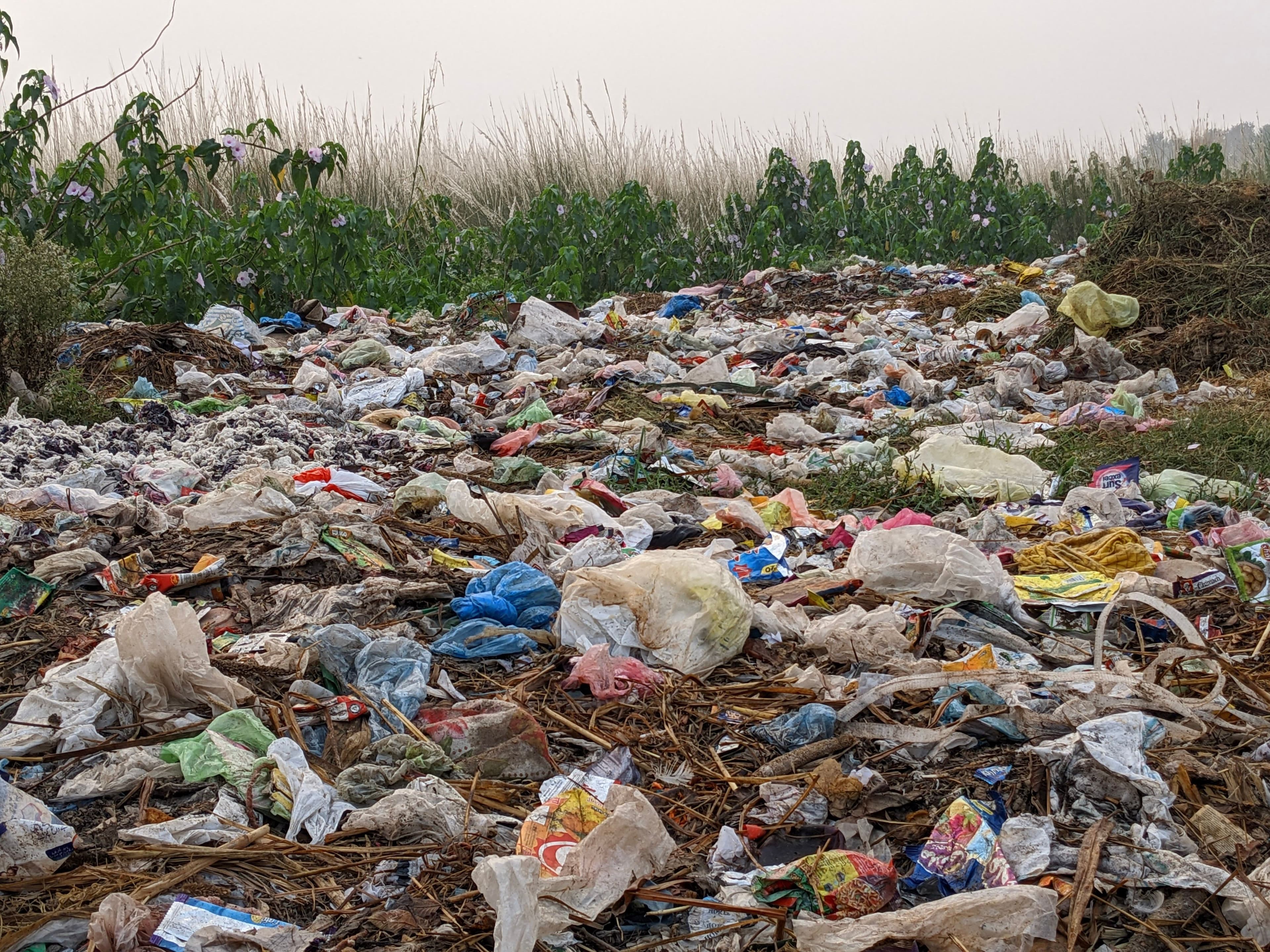
Plastic pollution refers to the accumulation of plastic materials in the environment to the point where they create harmful effects for ecosystems, wildlife, and people.
Unlike many natural materials, plastic is designed to be durable. Most plastics are made from synthetic polymers derived from fossil fuels such as oil and natural gas. These materials resist natural degradation and can remain in the environment for decades or even centuries.
As plastic waste accumulates, it can contaminate land, waterways, and oceans. Larger plastic items may remain visible for years, while smaller fragments can become dispersed throughout ecosystems.
Plastic pollution is therefore not only a waste management problem. It is also an environmental, economic, and social challenge.
Why Plastic Became So Common
The rise of plastic began during the twentieth century.
One of the first fully synthetic plastics was Bakelite, introduced in the early 1900s. During the Second World War, plastics became increasingly important because they could replace scarce natural materials in military equipment and industrial production.
After the war, plastic manufacturing expanded rapidly into consumer markets. Companies began producing packaging, household products, disposable items, and countless other goods using plastic.
Its low cost and versatility helped create a culture of convenience. Products that were once reused or repaired increasingly became disposable.
Today, plastic production continues to grow worldwide, and roughly half of all plastic ever manufactured has been produced within the last few decades.
Where Plastic Pollution Comes From
Plastic pollution originates from many different sources, but several contributors play a particularly important role.
Single-Use Plastics
Single-use plastics are products designed to be used once and then discarded.
Examples include plastic bags, straws, cutlery, food containers, beverage bottles, and packaging materials.
These items are often used for only a few minutes, yet they may remain in the environment for decades. Because they are lightweight and inexpensive, they can easily escape waste management systems and enter rivers, coastlines, and natural habitats.
Single-use plastics represent a significant portion of global plastic production and are among the most visible forms of plastic pollution.
Packaging Waste
Packaging is the largest use of plastic globally.
Food wrappers, shipping materials, containers, and protective packaging are often discarded immediately after purchase. As a result, packaging generates enormous quantities of waste every year.
Many forms of packaging are difficult or impossible to recycle efficiently. Multi-layered materials and contaminated packaging often end up in landfills or the natural environment.
The widespread use of disposable packaging has become one of the primary drivers of plastic waste worldwide.
Mismanaged Waste Systems
Not all plastic pollution originates from careless littering.
In many regions, waste collection and recycling systems are unable to keep pace with the growing volume of plastic being produced.
When waste is not collected, processed, or disposed of properly, plastic can enter rivers, lakes, coastlines, and urban environments.
Even countries with advanced waste systems face challenges because plastic production continues to increase faster than recycling capacity.
Microplastics
Microplastics are plastic particles smaller than five millimeters in size.
Some microplastics are manufactured intentionally, while others form when larger plastic items gradually break down through exposure to sunlight, weather, and physical abrasion.
Scientists have discovered microplastics in oceans, rivers, soil, rainwater, Arctic ice, and even some of the most remote regions on Earth.
Their widespread presence has become one of the most concerning aspects of plastic pollution because they are difficult to remove once they enter the environment.
How Plastic Pollution Affects Wildlife
Plastic pollution poses a serious threat to wildlife across the world.
Many animals become entangled in discarded plastic items such as fishing nets, ropes, packaging bands, and other debris. This can restrict movement, cause injuries, and prevent animals from feeding or escaping predators.
Marine animals are particularly vulnerable. Sea turtles often mistake plastic bags for jellyfish, while seabirds may consume floating plastic fragments and feed them to their chicks.
Plastic ingestion can create internal blockages, reduce nutrient intake, and produce a false sensation of fullness. Animals may slowly starve even when their stomachs appear full.
Scientists estimate that hundreds of marine and coastal species are affected by plastic pollution. The problem extends beyond individual animals and can disrupt entire ecosystems.
How Plastic Pollution Affects Oceans
The oceans have become one of the largest destinations for plastic waste.
Every year, millions of tons of plastic enter marine environments through rivers, coastlines, stormwater systems, and inadequate waste management practices.
Ocean currents concentrate much of this debris into large accumulation zones known as gyres. The most famous example is the Great Pacific Garbage Patch, where plastic fragments have gathered over many decades.
Plastic pollution can damage marine ecosystems in multiple ways. It can smother habitats, transport invasive species, entangle marine life, and break down into microplastics that spread throughout the food web.
Because oceans play a crucial role in regulating climate and supporting biodiversity, the accumulation of plastic waste in marine environments has become a global concern.
Can Plastic Pollution Affect Human Health?
For many years, plastic pollution was viewed primarily as a problem affecting wildlife and ecosystems.
Today, scientists are increasingly studying its potential impacts on human health.
Microplastics have been detected in drinking water, seafood, table salt, indoor dust, and many other environments that people encounter daily. Studies have also identified microplastic particles in human blood, lungs, and placental tissue.
In addition to the plastic particles themselves, many plastic products contain chemical additives that improve flexibility, durability, or other properties.
Some of these substances have been linked to concerns related to hormone function, development, and long-term health outcomes. However, researchers are still working to fully understand the long-term effects of chronic exposure to microplastics and plastic-associated chemicals.
While many questions remain unanswered, the growing presence of plastic in human environments has increased scientific interest in this area.
Plastic Pollution And Consumer Culture
Plastic pollution is often discussed as a problem of waste management.
Waste management is certainly part of the issue, but it is not the entire story.
The modern economy relies heavily on convenience. Products are frequently designed to be purchased, used briefly, and discarded. Plastic packaging has become one of the most visible symbols of this approach.
A person may use a plastic bottle for a few minutes, yet the material itself may remain in the environment for centuries.
This raises an important question.
If plastic pollution is widely recognized as a problem, why does the production of disposable products continue to increase?
Part of the answer lies in consumption patterns. Modern societies often encourage convenience, speed, and continuous purchasing. Businesses respond to consumer demand, while consumers are surrounded by products designed for short-term use.
Plastic pollution therefore reflects not only a material problem but also a cultural one.
Technological improvements, recycling systems, and environmental policies are important. Yet lasting solutions may also require a deeper examination of how societies define convenience, consumption, and progress.
A cleaner environment will likely depend not only on better waste management but also on more thoughtful patterns of production and consumption.
Conclusion
Plastic pollution is one of the most widespread environmental challenges of the modern age.
The durability that makes plastic useful in everyday life also allows it to persist in ecosystems long after it has been discarded. As plastic production has increased, so too has the accumulation of plastic waste in landfills, rivers, oceans, and natural habitats.
Plastic pollution affects wildlife, ecosystems, and potentially human health. It is driven by a combination of factors, including single-use products, packaging waste, inadequate waste management systems, and growing levels of consumption.
Addressing plastic pollution will require improvements in recycling, waste infrastructure, product design, and environmental policy. At the same time, it may also require a broader reflection on the habits and assumptions that encourage disposable lifestyles.
Understanding plastic pollution is an important step toward creating a more sustainable relationship between human societies and the natural world.