EcoBegin Article
What Causes Deforestation?
Introduction
Forests are among the most important ecosystems on Earth. They regulate climate, support biodiversity, protect soil, influence rainfall patterns, and provide resources that billions of people depend upon for daily life.
Despite their importance, forests continue to disappear at an alarming rate. Across many regions of the world, forested land is being cleared to make way for agriculture, livestock farming, infrastructure, mining, and expanding human settlements.
This process is known as deforestation.
Deforestation is not a new phenomenon, but the scale and speed of forest loss in recent decades have raised serious concerns among scientists, conservationists, and policymakers. The consequences extend far beyond the loss of trees. Deforestation affects climate systems, water cycles, wildlife habitats, and human communities.
Understanding what causes deforestation is an important step toward understanding some of the broader environmental challenges facing the modern world.
What Is Deforestation?
Deforestation refers to the permanent clearing, removal, or thinning of forests so that the land can be used for purposes other than forest ecosystems.
Unlike natural disturbances such as storms or wildfires, deforestation is primarily driven by human activities. Forests are cleared to create farmland, grazing areas, urban developments, transportation networks, industrial facilities, and resource extraction sites.
According to the United Nations Food and Agriculture Organization (FAO), the world continues to lose millions of hectares of forest each year. Much of this loss occurs in tropical regions, which contain some of the most biologically diverse ecosystems on the planet.
Deforestation is therefore not simply the removal of trees. It represents the transformation of complex ecosystems into entirely different forms of land use.
Why Forests Matter
Forests play a crucial role in maintaining environmental stability.
One of their most important functions is carbon storage. Trees absorb carbon dioxide from the atmosphere and store it within their trunks, branches, roots, and surrounding soils. By removing carbon dioxide from the atmosphere, forests help slow the rate of global warming.
Forests also influence the water cycle. Through a process known as transpiration, trees release water vapor into the atmosphere, contributing to rainfall patterns and helping regulate regional climates.
In addition, forests protect soil from erosion. Their root systems stabilize the ground, reduce runoff during heavy rainfall, and help maintain soil fertility.
Forests are equally important for biodiversity. They provide habitats for countless species of plants, animals, fungi, and microorganisms. Scientists estimate that forests contain the majority of the world's terrestrial biodiversity.
Human societies also depend heavily on forests. More than a billion people rely on forest ecosystems for food, fresh water, shelter, medicine, fuel, and economic opportunities.
Because forests perform so many essential functions, their loss can create environmental, economic, and social challenges on a global scale.
Major Causes Of Deforestation
Deforestation rarely occurs because of a single factor. In most cases, multiple economic and social forces combine to drive forest loss.
Agriculture
Agricultural expansion is widely considered the leading cause of deforestation worldwide.
As demand for food increases, forests are often cleared to create new farmland. In many tropical regions, large areas of forest have been converted into plantations producing commodities such as palm oil, soy, cocoa, and other agricultural products.
In some parts of the world, small-scale subsistence farming also contributes to forest loss. Farmers may clear land to grow crops for their families and local communities.
Although agriculture plays a vital role in supporting human populations, poorly managed agricultural expansion can place significant pressure on forest ecosystems.
Livestock Farming
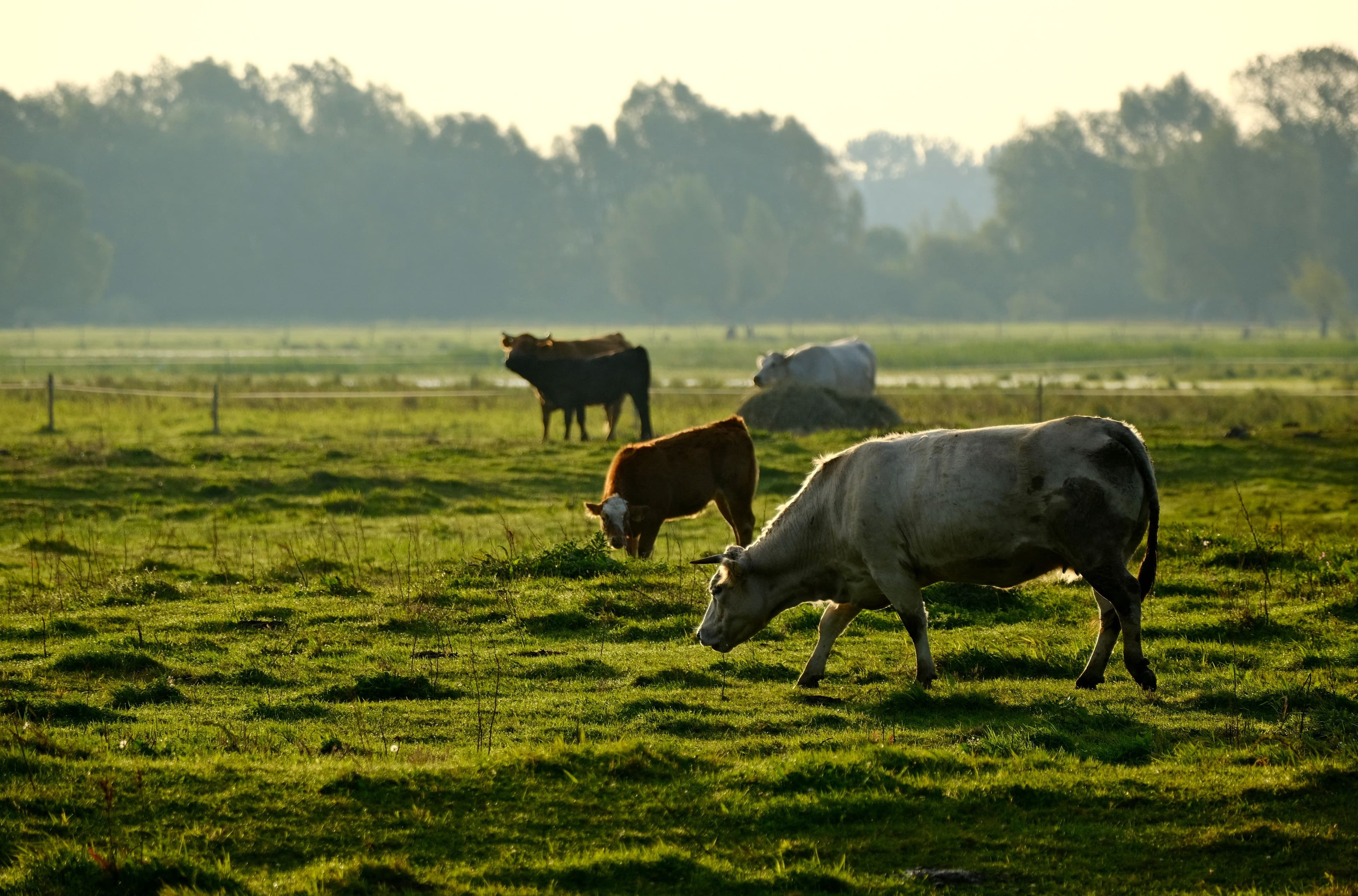
Livestock farming is one of the most important drivers of deforestation globally.
Large areas of forest are cleared to create grazing land for cattle. In regions such as the Amazon, cattle ranching accounts for a substantial share of total deforestation.
Forests are also removed to grow crops that are later used as animal feed. Soy production, for example, is closely linked to deforestation in some regions, with much of the harvest being used to feed livestock rather than being consumed directly by humans.
As global demand for meat and dairy products increases, the pressure on forest ecosystems often increases as well.
Logging
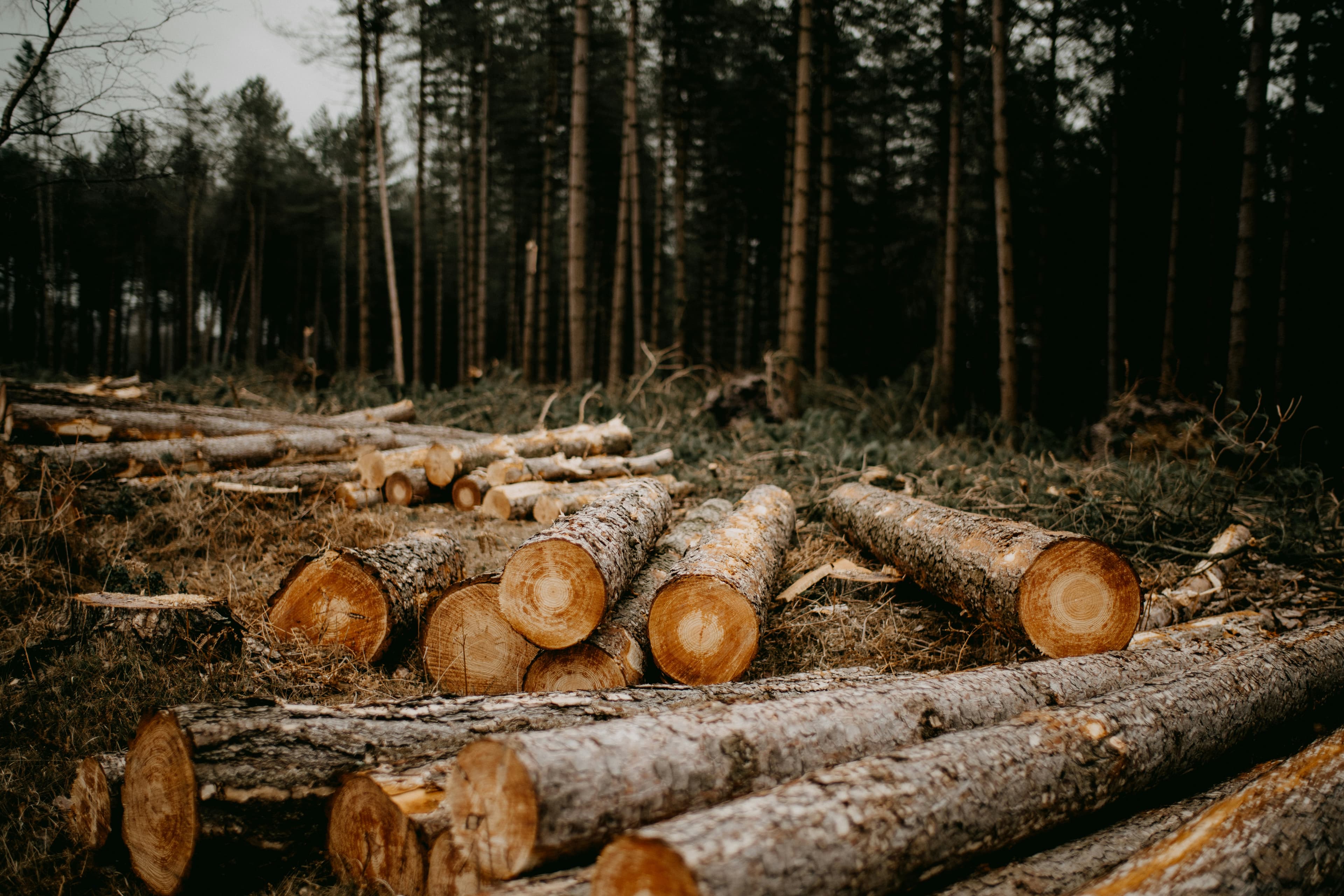
Logging provides timber, paper products, furniture materials, and other resources that are used throughout the global economy.
When forests are managed sustainably, logging can occur with relatively limited environmental damage. However, unsustainable and illegal logging practices can severely degrade forest ecosystems.
Even selective logging can open previously inaccessible areas by creating roads and infrastructure. These roads often enable further clearing, settlement, and resource extraction.
As a result, logging can contribute directly and indirectly to long-term forest loss.
Urban Expansion
As human populations grow, cities, towns, and industrial areas continue to expand.
New housing developments, commercial zones, transportation networks, and public infrastructure often require large areas of land. In many regions, this expansion comes at the expense of forests.
Roads and highways can have impacts beyond the land they directly occupy. They divide continuous forests into smaller fragments, making it more difficult for wildlife to move, reproduce, and maintain healthy populations.
Urban growth can therefore contribute not only to forest loss but also to the long-term degradation of ecosystems that remain.
Mining And Infrastructure
The extraction of minerals, metals, and fossil fuels often requires extensive land clearing.
Mining operations for resources such as gold, copper, iron ore, and coal frequently involve the removal of large sections of forest. In addition to direct clearing, mining can pollute nearby rivers and ecosystems through waste materials and chemical contamination.
Large infrastructure projects can have similar effects. Dams, railways, pipelines, and power lines may require substantial forest clearing and often encourage further human settlement in previously remote areas.
As a result, mining and infrastructure development can trigger a chain of environmental changes that extend far beyond the original project site.
How Deforestation Affects Climate Change
Forests play an important role in regulating the Earth's climate because they absorb and store carbon dioxide.
When forests are cleared or burned, much of this stored carbon is released back into the atmosphere. This increases the concentration of greenhouse gases and contributes to global warming.
Deforestation also reduces the planet's ability to absorb future emissions. Fewer trees mean less carbon dioxide is removed from the atmosphere.
The effects extend beyond carbon storage. Forest loss can alter rainfall patterns, increase drought risks, and create conditions that make wildfires more frequent and severe.
Scientists therefore view deforestation as both a consequence of human activity and a major contributor to climate change.
How Deforestation Affects Biodiversity
Forests are among the most biologically diverse ecosystems on Earth.
They provide food, shelter, breeding grounds, and migration routes for countless species. When forests disappear, many organisms lose the habitats they depend on for survival.
Some species can adapt or relocate, but many cannot. As a result, deforestation is one of the leading causes of biodiversity loss worldwide.
The effects often extend beyond individual species. Ecosystems rely on complex relationships between plants, animals, fungi, and microorganisms. Removing one part of the system can create ripple effects throughout the entire ecological network.
Scientists are concerned not only about the loss of individual species but also about the weakening of ecosystem stability and resilience.
Deforestation And Human Consumption
Discussions about deforestation often focus on governments, corporations, and environmental policies.
These factors are important, but they raise a deeper question.
Why does the demand for products linked to deforestation continue to grow?
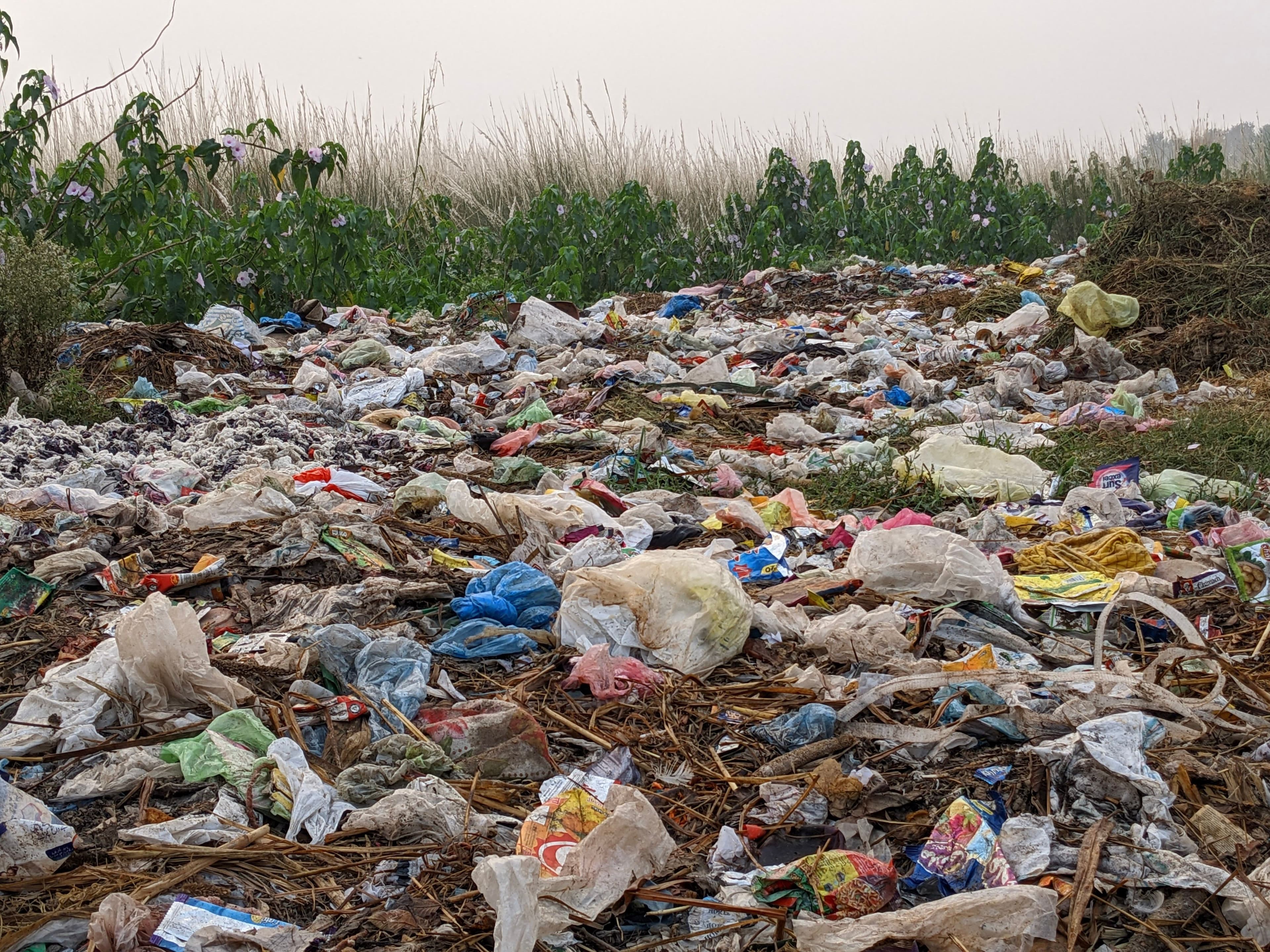
Much of modern economic activity is driven by consumption. Forests are cleared to produce food, timber, minerals, energy resources, and countless products used in daily life.
Many people never directly witness a forest being cleared, yet the products they purchase may still be connected to land-use changes occurring elsewhere in the world.
This does not mean that individuals alone are responsible for deforestation. The issue is complex and involves economic systems, political decisions, technological development, and global trade.
At the same time, deforestation encourages reflection on the relationship between human desires and natural resources.
If societies continue to define progress primarily through increasing consumption, the pressure on forests is likely to continue. Technological improvements and environmental policies are important, but lasting solutions may also require a more thoughtful examination of consumption itself.
The challenge of deforestation is therefore not only ecological. It is also cultural, economic, and deeply human.
Conclusion
Deforestation is the large-scale clearing of forests for purposes such as agriculture, livestock farming, logging, urban expansion, mining, and infrastructure development.
Although these activities often support economic growth and human development, they can also create serious environmental consequences.
Forests help regulate climate, protect biodiversity, support water cycles, prevent soil erosion, and sustain the livelihoods of millions of people. Their loss affects ecosystems, wildlife, and human societies alike.
Scientific evidence shows that deforestation contributes to climate change, accelerates biodiversity loss, and weakens the resilience of natural systems.
Understanding the causes of deforestation is an important first step toward addressing it. Effective solutions will require better land management, responsible policies, sustainable production systems, and a more conscious relationship with the natural world.
The future of forests will depend not only on what governments and industries choose to do, but also on the values and priorities that guide human societies.