EcoBegin Article
What Is Biodiversity?
Introduction
Life on Earth exists in an extraordinary variety of forms. From microscopic organisms in the soil to giant whales in the oceans, every living thing is part of a vast and interconnected web of life.
Scientists use the term "biodiversity" to describe this variety of life. Biodiversity is not limited to rare animals or tropical rainforests. It includes the diversity of genes, species, and ecosystems that make life on Earth possible.
Although biodiversity often receives less attention than climate change, it is equally important. The food we eat, the water we drink, the air we breathe, and the stability of ecosystems all depend on healthy biodiversity.
Understanding biodiversity is therefore not just about protecting nature. It is about understanding the living systems that support human life itself.
What Is Biodiversity?
Biodiversity is short for "biological diversity." It refers to the variety of living organisms and the ecological systems in which they exist.
The internationally accepted definition includes diversity within species, diversity between species, and diversity of ecosystems. In simple terms, biodiversity describes the richness and variety of life on Earth.
Biodiversity is not a fixed collection of plants and animals. It is a dynamic system that constantly changes through evolution, adaptation, migration, and ecological interactions.
A healthy ecosystem is not defined only by the number of species it contains. It also depends on how those species interact and the roles they play. Pollinators help plants reproduce, predators regulate populations, decomposers recycle nutrients, and countless other organisms contribute to the functioning of ecosystems.
When biodiversity declines, these natural relationships become weaker, reducing the resilience of ecosystems.
The Three Levels Of Biodiversity
Scientists generally describe biodiversity at three interconnected levels.
Genetic Diversity
Genetic diversity refers to the variation of genes within a species.
Different individuals of the same species often possess different genetic traits. These variations help populations adapt to environmental changes, diseases, and new challenges.
A species with high genetic diversity is generally more resilient because some individuals may possess traits that improve survival under changing conditions.
Species Diversity
Species diversity refers to the variety of different species within a particular habitat or ecosystem.
A tropical rainforest, for example, contains thousands of species of plants, animals, fungi, and microorganisms. The greater the variety of species, the more complex and resilient the ecosystem tends to be.
Species diversity is often what people think of when they hear the word biodiversity.
Ecosystem Diversity
Ecosystem diversity refers to the variety of habitats and ecological communities found across the planet.
Forests, wetlands, grasslands, deserts, rivers, coral reefs, and oceans all represent different ecosystems. Each supports unique forms of life and ecological processes.
The health of the biosphere depends on maintaining diversity across these different ecosystems.
Why Biodiversity Matters
Biodiversity is often described as the foundation of life on Earth. Every ecosystem depends on a complex network of interactions between plants, animals, fungi, and microorganisms.
Healthy ecosystems provide essential services that humans often take for granted. Forests help regulate climate, wetlands filter water, pollinators support food production, and diverse ecosystems help maintain soil fertility.
Biodiversity also increases resilience. An ecosystem with many species is generally better able to withstand disturbances such as droughts, diseases, invasive species, and environmental changes.
Many industries, including agriculture, fisheries, forestry, and medicine, rely directly on biodiversity. Countless medicines have been developed from natural compounds found in plants, animals, and microorganisms.
In short, biodiversity is not simply about protecting wildlife. It is about preserving the natural systems that make human civilization possible.
What Is Causing Biodiversity Loss?
Scientists agree that biodiversity is declining at an alarming rate due to human activities.
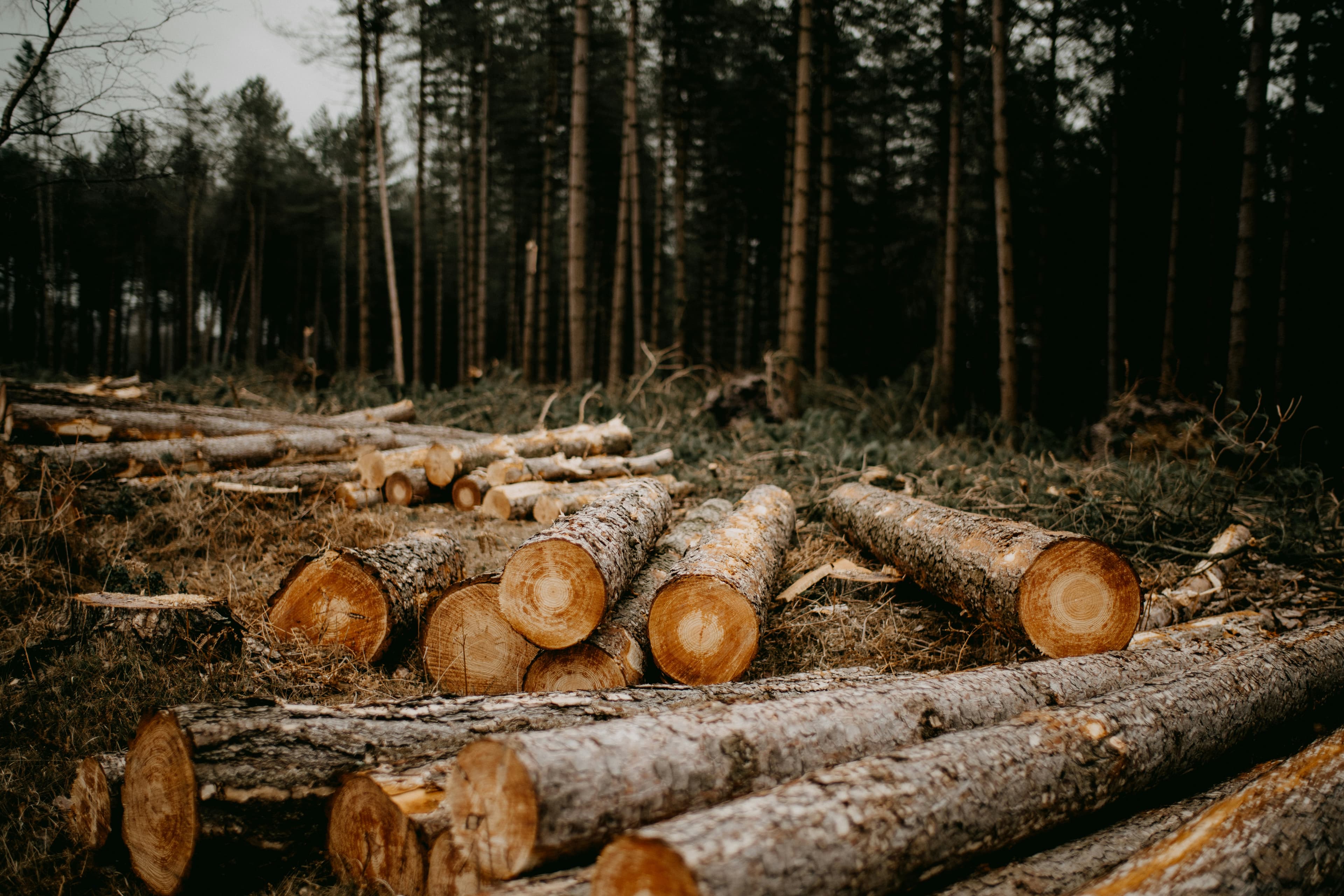
One of the biggest causes is habitat destruction. Forests, wetlands, grasslands, and other natural environments are often cleared or degraded to make space for agriculture, infrastructure, and urban expansion.
Climate change is another major driver. Rising temperatures, changing rainfall patterns, and more frequent extreme weather events are placing increasing pressure on ecosystems around the world.
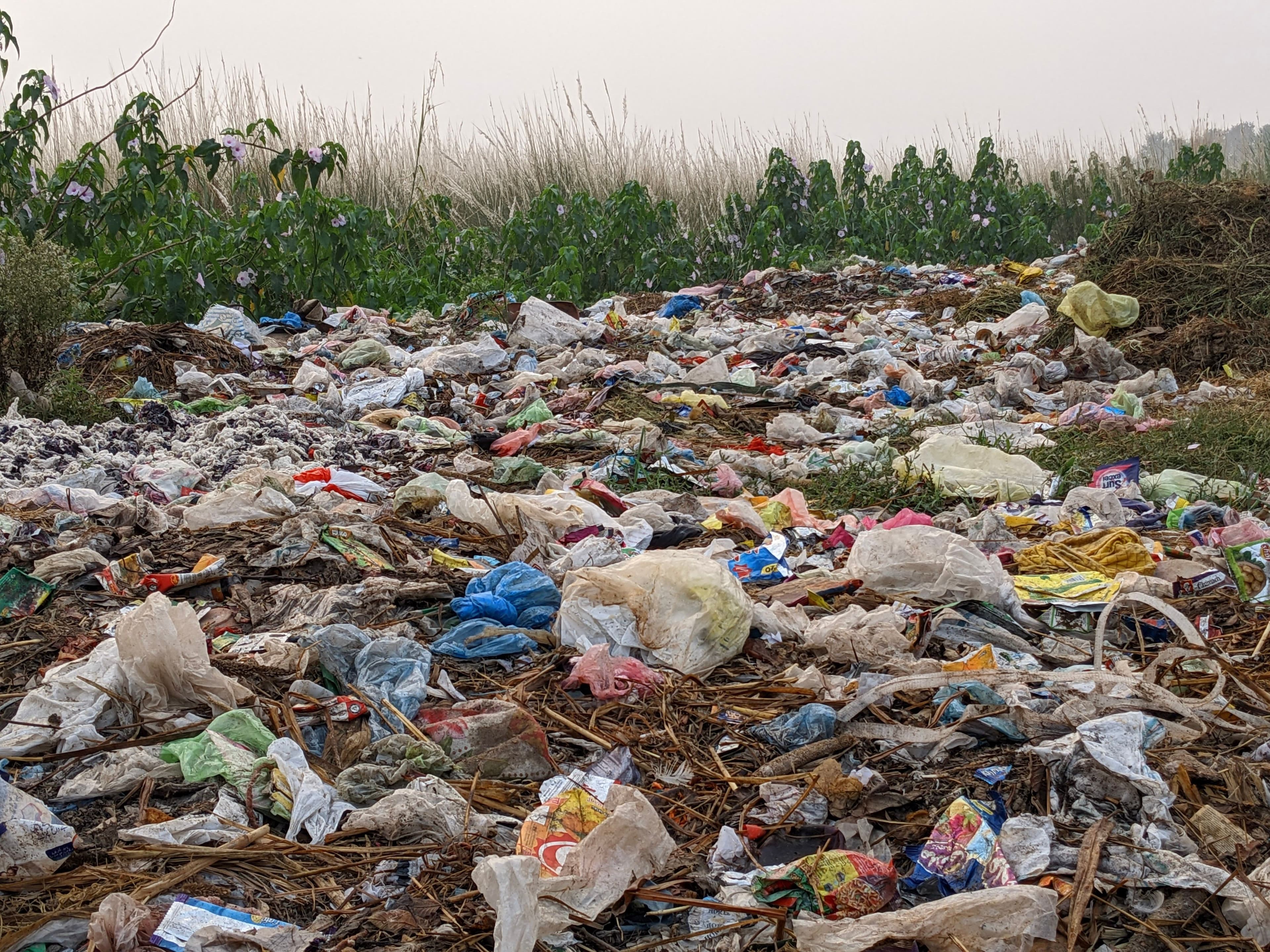
Pollution also damages biodiversity. Chemicals, plastics, fertilizers, and untreated waste can harm plants, animals, and entire ecosystems.
Overexploitation of natural resources further contributes to biodiversity loss. Unsustainable fishing, hunting, logging, and wildlife trade can reduce populations faster than they can recover.
Invasive species represent another growing threat. When non-native species enter an ecosystem, they may outcompete native species, disrupt ecological relationships, or introduce new diseases.
Together, these pressures are causing many ecosystems to lose species and ecological functions at an unprecedented rate.
How Biodiversity Loss Affects Humans
It is easy to think of biodiversity loss as a problem that only affects wildlife. In reality, its consequences extend directly to human societies.
Agriculture depends heavily on biodiversity. Pollinators such as bees, butterflies, birds, and other species play an essential role in food production. A decline in these populations can reduce crop yields and threaten food security.
Water systems are also affected. Healthy ecosystems help filter water naturally and maintain stable hydrological cycles. When ecosystems degrade, communities often face higher costs and greater risks related to water quality and availability.
Biodiversity loss can even influence human health. Scientists have found that ecosystem degradation can increase the risk of certain infectious diseases by disrupting natural ecological balances.
Economically, biodiversity supports tourism, fisheries, agriculture, forestry, and many other sectors. The loss of biodiversity therefore creates both environmental and financial risks.
Ultimately, biodiversity loss is not only a conservation issue. It is a social, economic, and public health issue as well.
Biodiversity And Human Behavior
Many discussions about biodiversity focus on external factors such as habitat destruction, pollution, and climate change.
These are important causes, but they also raise a deeper question.
Why do humans continue to destroy ecosystems even when we understand their importance?
The modern world often encourages endless growth, increasing consumption, and the extraction of more resources from nature. Forests become timber, rivers become industrial assets, animals become commodities, and ecosystems become economic resources.
This mindset can make it difficult to recognize that humans are not separate from nature. We depend on ecosystems for food, water, climate stability, and countless other benefits.
Protecting biodiversity therefore requires more than laws and technology. It also requires a shift in how we think about consumption, development, and our relationship with the natural world.
The biodiversity crisis is not only a crisis of ecosystems. It is also a crisis of human priorities.
Conclusion
Biodiversity is the variety of life that supports the functioning of ecosystems across the planet.
From genetic diversity within species to the diversity of entire ecosystems, biodiversity provides the foundation for healthy environments, stable societies, and resilient economies.
Yet biodiversity is declining rapidly due to habitat destruction, climate change, pollution, overexploitation, and other human activities.
Understanding biodiversity is the first step toward protecting it. The choices made by governments, businesses, communities, and individuals will play a major role in determining whether future generations inherit thriving ecosystems or a diminished natural world.
Protecting biodiversity is not simply about saving wildlife. It is about safeguarding the living systems upon which all life, including human life, depends.