EcoBegin Article
Animal Agriculture and Climate Change
Introduction
Climate change is often associated with fossil fuels, transportation, and industrial emissions. These factors are indeed major contributors to global warming. However, another important source of greenhouse gas emissions receives far less public attention: animal agriculture.
Animal agriculture refers to the practice of raising animals for food and other products such as meat, dairy, eggs, leather, and wool. It is deeply integrated into modern economies and food systems across the world.
As the global population grows and consumption increases, the demand for animal products continues to rise. Scientists have therefore become increasingly interested in understanding how livestock production affects climate systems, land use, biodiversity, and natural resources.
Understanding the environmental impacts of animal agriculture is important because food production is something that connects every individual to the climate challenge.
What Is Animal Agriculture?
Animal agriculture includes the breeding, raising, and management of animals for human use.
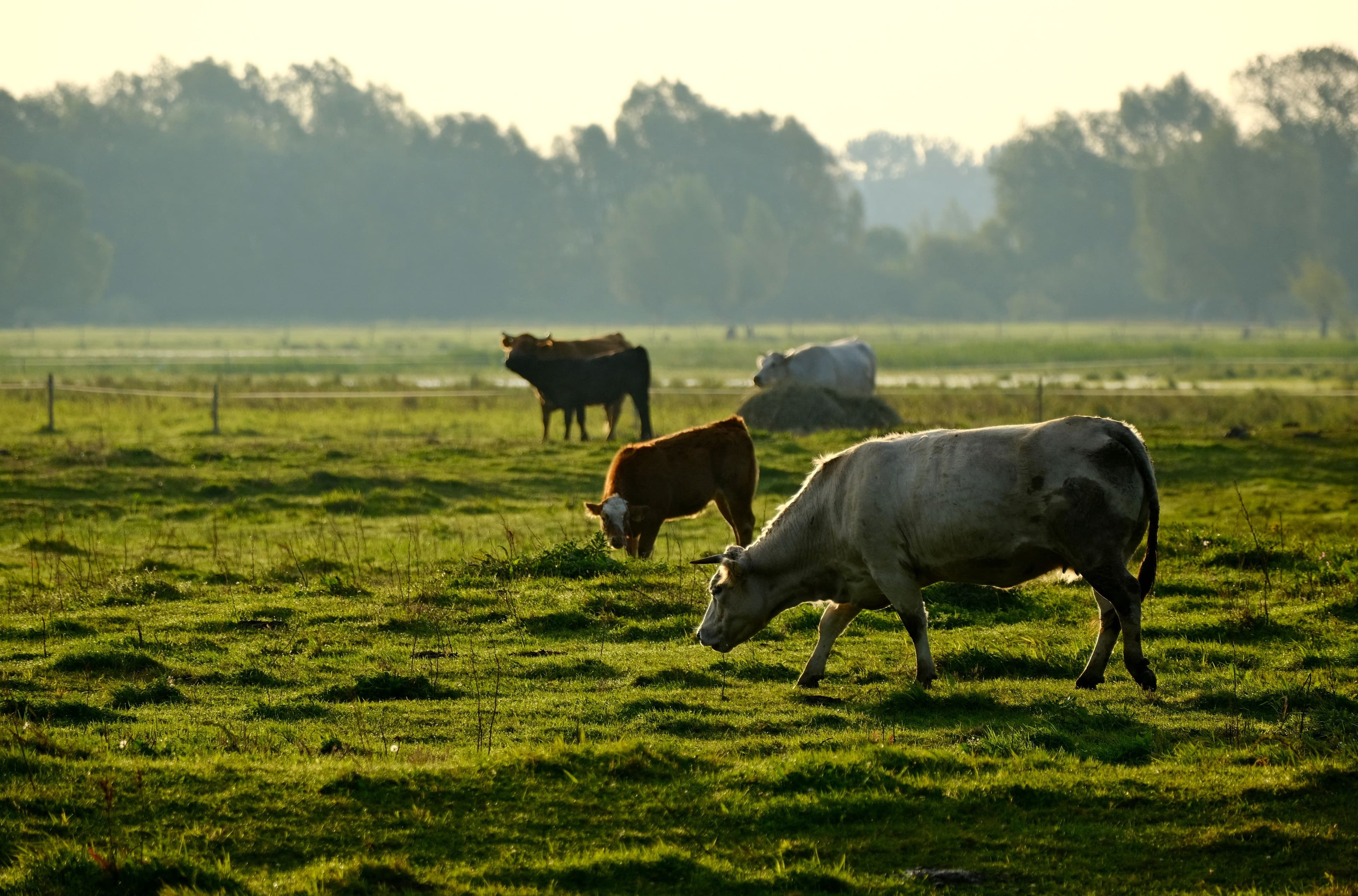
The most common livestock species include cattle, pigs, chickens, sheep, and goats. These animals are raised in a variety of systems ranging from small farms to large industrial operations.
Modern animal agriculture requires significant amounts of land, water, energy, infrastructure, and feed crops. Livestock are often supported by extensive agricultural systems that produce corn, soy, and other crops used as animal feed.
Globally, billions of animals are raised each year to meet demand for meat, dairy products, and eggs. As production has expanded, so has interest in understanding its environmental consequences.
Livestock And Greenhouse Gases
Animal agriculture contributes substantially to global greenhouse gas emissions.
Unlike many other sectors, livestock production releases several different greenhouse gases simultaneously. These include carbon dioxide, methane, and nitrous oxide.
Carbon dioxide emissions are associated with activities such as land clearing, feed production, transportation, processing, and energy use throughout the supply chain.
Methane is produced primarily through the digestive systems of certain animals, especially cattle, sheep, and goats.
Nitrous oxide is released from fertilizers used to grow feed crops and from manure management systems.
Together, these emissions make animal agriculture an important contributor to global warming.
Methane Emissions
Methane is one of the most significant climate-related concerns associated with livestock production.
Although methane remains in the atmosphere for a shorter period than carbon dioxide, it has a much stronger warming effect over the short term.
Most agricultural methane comes from a biological process known as enteric fermentation. During digestion, microbes inside the stomachs of ruminant animals break down plant material and produce methane as a byproduct.
The methane is then released primarily through burping.
Manure storage systems can also generate methane, particularly when waste is stored in large liquid lagoons without adequate treatment.
Because methane is such a powerful greenhouse gas, reducing methane emissions has become an important focus of climate mitigation efforts.
Land Use And Deforestation
One of the largest environmental impacts of animal agriculture involves land use.
Livestock production requires land both for grazing animals and for growing feed crops. As demand for animal products increases, pressure on land resources often increases as well.
In some regions, forests are cleared to create new pastures for cattle. In others, forests are converted into agricultural land for producing feed crops such as soy.
This connection between livestock production and deforestation is particularly visible in parts of South America, where cattle ranching has been a major driver of forest loss.
Deforestation not only destroys wildlife habitat but also releases carbon stored in trees and reduces the planet's ability to absorb future greenhouse gas emissions.
Animal agriculture therefore influences climate change both directly through emissions and indirectly through land-use change.
Water Consumption
Animal agriculture also requires significant amounts of freshwater.
Water is needed not only for the animals themselves but also for producing the crops used as feed. Irrigation, processing, cleaning, and transportation all contribute to the sector's overall water footprint.
Different foods require different amounts of water to produce. In general, animal products tend to require considerably more water than many plant-based foods because resources must first be used to grow feed crops before they are converted into animal products.
This does not mean that all animal products have identical environmental impacts, but it does highlight the resource-intensive nature of livestock production on a large scale.
As freshwater resources become increasingly stressed in many regions of the world, efficient water use has become an important environmental consideration.
Biodiversity Impacts
Animal agriculture affects biodiversity primarily through habitat loss.
When forests, grasslands, wetlands, and other ecosystems are converted into grazing land or feed-crop plantations, native species lose the habitats they depend upon for survival.
This process can reduce wildlife populations, fragment ecosystems, and increase the risk of species decline.
In some regions, predators are removed to protect livestock, further disrupting ecological relationships that have developed over long periods of time.
Scientists increasingly recognize that biodiversity loss and climate change are closely connected. Ecosystems with greater biodiversity are often more resilient to environmental change, while degraded ecosystems become more vulnerable to disruption.
Because animal agriculture influences both land use and habitat availability, it plays an important role in discussions about biodiversity conservation.
Animal-Based And Plant-Based Foods
Environmental researchers often compare the impacts of different food systems.
One important observation is that animals are not perfectly efficient at converting plant calories into food for humans. Livestock consume large quantities of feed throughout their lives, using much of that energy for movement, growth, and biological processes.
As a result, producing animal-based foods often requires more land, water, and resources than producing plant-based foods that provide comparable nutritional value.
This does not mean that every person must adopt the same diet. Nutritional needs, cultural traditions, economic realities, and local food systems vary widely.
However, many scientific studies suggest that increasing the proportion of plant-based foods in diets can reduce environmental pressures while still supporting human nutrition.
For this reason, plant-rich diets are increasingly discussed as one possible strategy for reducing greenhouse gas emissions and conserving natural resources.
Common Misconceptions
Discussions about animal agriculture and climate change often involve misunderstandings.
One common misconception is that transportation is the primary environmental problem associated with food production. While transportation contributes to emissions, many studies show that the majority of the environmental impact of livestock products comes from production itself, including feed production, land use, and methane emissions.
Another misconception is that methane emissions come mainly from cattle flatulence. In reality, most methane associated with cattle is released through burping during digestion.
There are also debates about grazing systems and regenerative agriculture. Some grazing practices may improve soil health and store additional carbon, but scientists generally agree that these benefits do not fully eliminate the climate impacts associated with large-scale livestock production.
Understanding these nuances is important because environmental issues are often more complex than simple headlines suggest.
Consumption And Environmental Impact
Animal agriculture ultimately reflects broader patterns of human consumption.
As incomes rise and populations grow, demand for meat and dairy products often increases. Businesses respond to this demand by expanding production systems, which can increase pressure on land, water, forests, and ecosystems.
This raises a deeper question.
If environmental impacts are connected to consumption patterns, how should societies think about growth, prosperity, and resource use?
Many environmental discussions focus on technology and policy. These tools are important, but they do not fully address the cultural forces that encourage continuous consumption.
The environmental challenges associated with animal agriculture therefore involve more than farming practices alone. They also involve the values, habits, and assumptions that shape human demand.
A more sustainable future may depend not only on producing food differently but also on thinking differently about consumption itself.
Conclusion
Animal agriculture is an important part of the global food system, but it also has significant environmental consequences.
Livestock production contributes to greenhouse gas emissions, influences land use, affects water resources, and plays a major role in biodiversity loss. These impacts are interconnected and often extend far beyond the farms where animals are raised.
Scientific research suggests that food systems will play an important role in determining future climate outcomes. Improvements in agricultural practices, technological innovation, responsible policies, and more efficient resource use can all contribute to reducing environmental impacts.
At the same time, discussions about animal agriculture often lead to broader questions about consumption, sustainability, and humanity's relationship with the natural world.
Understanding these connections is an important step toward making informed decisions about food, the environment, and the future of the planet.